Choosing the right game development company is crucial for turning your game idea into a successful product. Whether you're building a simple mobile puzzle game or a complex multiplayer experience, you need a creative, technically strong, and reliable development partner who understands your vision. With thousands of studios worldwide, the selection process can feel overwhelming—but this guide helps you identify the right fit for your goals, budget, and long-term vision.
1. Start With a Clear Understanding of Your Game Idea
Before you begin searching for a game development partner, make sure you have clarity on:
- The type of game you want
- Core features
- Target platform (Android, iOS, PC, Web, Console)
- 2D or 3D graphics
- Single-player or multiplayer
- Monetization strategy
- Approximate budget
Having a clear idea helps you communicate better with developers and ensures they understand your project’s scope and complexity.
2. Check Their Portfolio & Past Work
A company’s portfolio is the strongest indicator of what they can deliver. Evaluate their past work to understand:
- Experience with different game genres
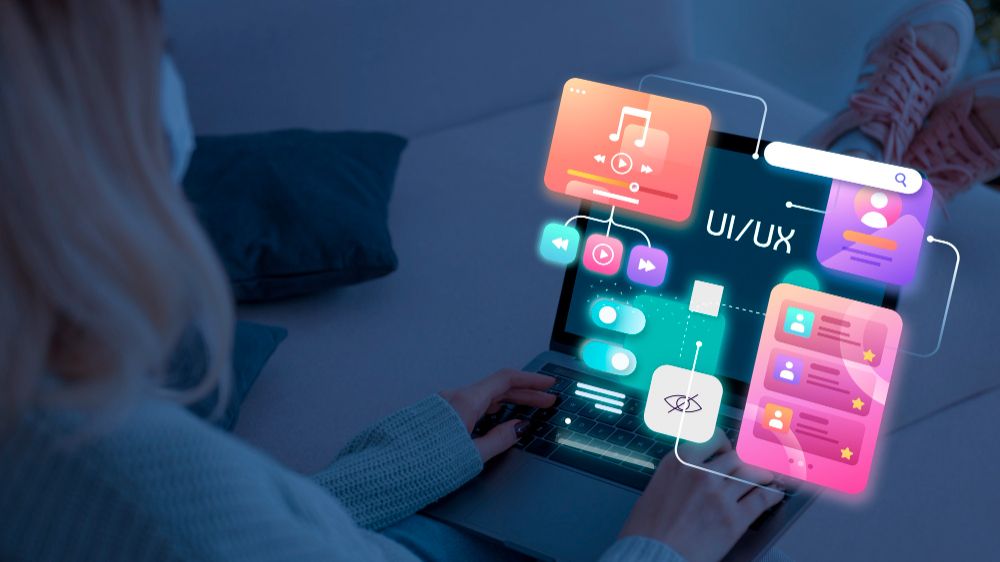
- Quality of art, animations, UI/UX
- Types of complexity they’ve handled
- Creativity and design standards
- Technical depth in game engines
Look for games similar to what you want. Matching experience makes development faster and more reliable.
3. Evaluate Their Expertise in Game Engines & Technologies
Professional game developers must be skilled in modern engines like:
- Unity — Ideal for mobile, 2D, 3D, AR/VR
- Unreal Engine — Best for high-end 3D visuals
- Godot — Good for smaller or stylized games
- Custom engines — For unique or specialized projects
Check whether the team has certified developers or proven experience in your preferred engine.
4. Consider Their Art & Animation Capabilities
Strong game visuals depend on:
- Character design
- World-building
- Art style and consistency
- 2D/3D animation quality
- VFX
- Sound design and music
Even with strong development skills, weak visuals can ruin gameplay. Make sure the studio’s creative team matches the aesthetics you want.
5. Read Client Reviews & Testimonials
Client feedback tells you what working with the company is actually like. Check reviews for:
- Communication quality
- On-time delivery
- Problem-solving ability
- Professionalism
- Post-launch support
- Flexibility and transparency
Use platforms like Clutch, GoodFirms, Google, and LinkedIn for unbiased insights.
6. Understand Their Development Process
A reliable game development company follows a structured workflow, which may include:
- Discovery & analysis
- Creating a game design document
- Prototyping
- Full development
- Testing
- Launch support
- Post-release updates
A transparent process ensures fewer delays, clear pricing, and predictable outcomes.
7. Check Their Team Strength & Skill Distribution
The best studios have balanced teams that include:
- Game designers
- Developers
- UI/UX designers
- 2D/3D artists
- Animators
- QA testers
- Sound engineers
- Project managers
If the team is too small or lacks essential skills, the final product may suffer.
8. Ask About Communication & Project Management
Smooth communication is key to successful development. Ask:
- How often will updates be provided?
- What tools do they use (Slack, Jira, Trello, etc.)?
- Is there a dedicated project manager?
- How are revisions handled?
A professional studio keeps you informed and involved at every stage.
9. Compare Pricing & Value
Don’t choose the cheapest option—choose the best value. Evaluate:
- What’s included in the pricing
- Experience level of the team
- Quality of assets and code
- Whether the pricing matches industry standards
- If post-launch support is included
Transparent pricing avoids hidden costs and ensures reliable delivery.
10. Check Post-Launch Support Availability
Game development doesn’t end at launch. You may need:
- Bug fixes
- Optimization updates
- New features or levels
- Monetization improvements
- Seasonal updates
- Ongoing maintenance
A dependable company will offer long-term support to keep your game growing.
11. Consider Their Location (If It Matters to You)
Some clients prefer local development companies for easier collaboration. For instance, choosing a game development company in Toronto can be beneficial due to the region’s strong gaming ecosystem and experienced studios.
However, many global studios deliver excellent results remotely, so location is optional—not mandatory.
Final Thoughts
Choosing the right game development company is one of the most important steps in transforming your idea into a successful game. By evaluating their portfolio, technical skills, design quality, communication style, and long-term support capabilities, you can find a partner who truly understands your vision.
Whether you’re building a casual mobile game or a large-scale 3D adventure, the right development partner can bring your concept to life with creativity, precision, and technical excellence.